5 Facts to Know About Sun Protection
Sunburn can spoil a day on the water. Plan sun protection before boarding and keep using it throughout your charter.
Children need shade, suitable protective clothing and age-appropriate sun care. Ask their clinician about individual needs.
You can get sunburned on a cloudy day, too. Do not judge UV exposure only by how hot you feel.
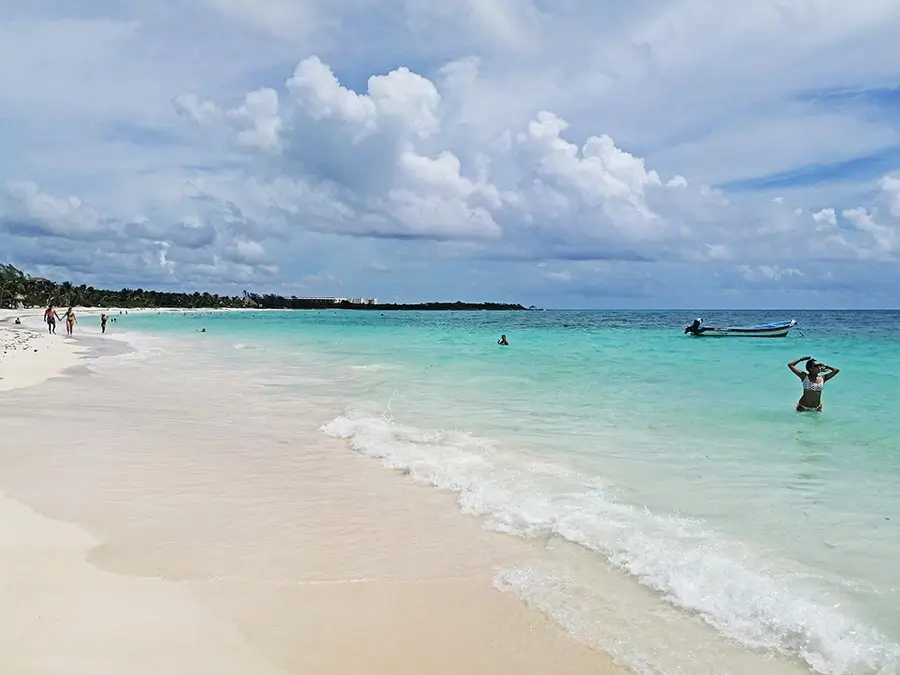
Sun exposure can be strong in the Riviera Maya. Protect exposed skin throughout outdoor activities, including time on deck.
Remember your scalp, ears, neck and feet when planning coverage. A secured hat and suitable clothing help cover areas that are easy to miss.
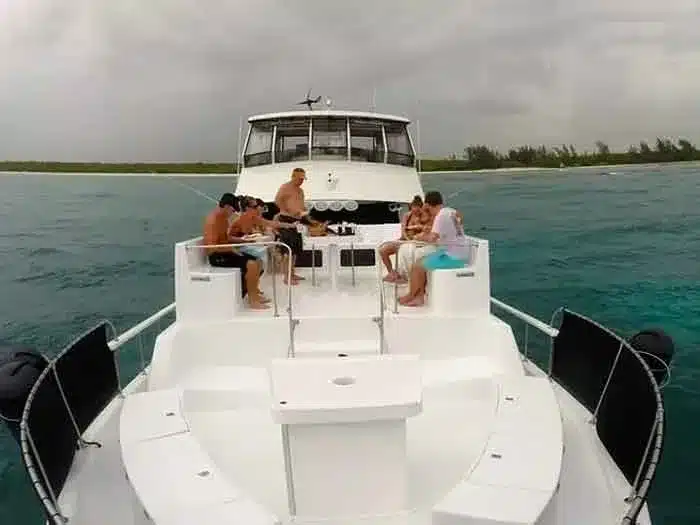
Use the shaded areas available on your chosen yacht and take breaks from direct sun.
Sun protection matters throughout the year, whatever season you visit.
1. A BASE TAN DOES NOT PREPARE YOU SAFELY FOR THE SUN.
Do not rely on a tan or on your skin becoming used to the sun. All skin tones need protection from UV exposure.
A tan is evidence of UV-related skin damage. It does not mean you can safely spend several times longer in the sun.
Do not build a base tan before your trip, whether outdoors or in a tanning bed. Pack protective clothing and sunscreen instead.
Combine shade, clothing and sunscreen rather than depending on one measure.
The FDA explains the risks of tanning and why a base tan does not prevent sun damage.
2. AVOIDING SUNBURN ON A VACATION OR CHARTER MEANS COVERING UP.
Choose sun-protective clothing that fits your planned activity. For swimming, a suitable long-sleeved swim shirt is more practical than loose fabric.
Keep loose clothing secured around the boat and follow the crew’s advice on moving safely on deck.
Wear a secured, wide-brimmed hat and UV-protective sunglasses where practical.
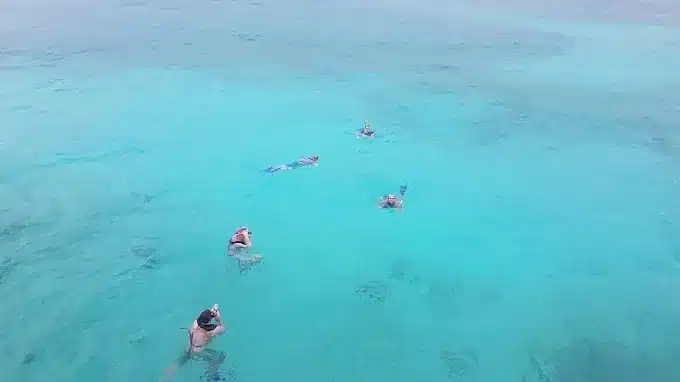
For swimming or snorkeling, look for rashguards or swimwear with a UPF rating; SPF is the rating used for sunscreen.
Choose coverage you can comfortably keep on. Clothing and shade remain useful even when you use sunscreen.
3. WATER-RESISTANT SUNSCREEN STILL NEEDS REAPPLICATION.
No sunscreen is waterproof or sweatproof. Water-resistant products still need reapplication according to their labels.
What to do: Re-apply.
Reapply about every two hours outdoors and after swimming, sweating or towel drying, as directed. Apply before going outside and follow the product’s timing instructions.
Choose a broad-spectrum, water-resistant sunscreen with SPF 30 or higher, as recommended by the American Academy of Dermatology. Higher SPF does not remove the need to reapply.
4. TAKE SHADE BREAKS, ESPECIALLY AROUND MIDDAY.
UV exposure is often strongest around midday. Take shade breaks and cover up instead of treating that period as tanning time.
Drink water regularly and ask the crew for help if you feel unwell.
Cloud cover does not eliminate UV exposure. Keep your sun protection routine even when the sky is overcast.
5. ASK ABOUT MEDICINE-RELATED SUN SENSITIVITY.
Some medicines can make skin more sensitive to sunlight. Ask your clinician or pharmacist about your own medicines before travel.
Read the FDA’s guidance on medicine-related sun sensitivity; reactions vary, so seek professional advice about your own risk.
Source: U.S. Food and Drug Administration
Do not stop or change prescribed medicine on your own. Ask your prescriber what precautions or changes, if any, are appropriate.
Have any other tips about preventing sunburn during a beach vacation or yacht charter? Let us know in the comments!
BOOK NOW