You do not need a complicated camera kit to bring home a good record of your yacht day. Start with a short shot list, protect the equipment you already use and leave time to enjoy the outing. The best photograph is not worth an unsafe position or interrupting the crew.
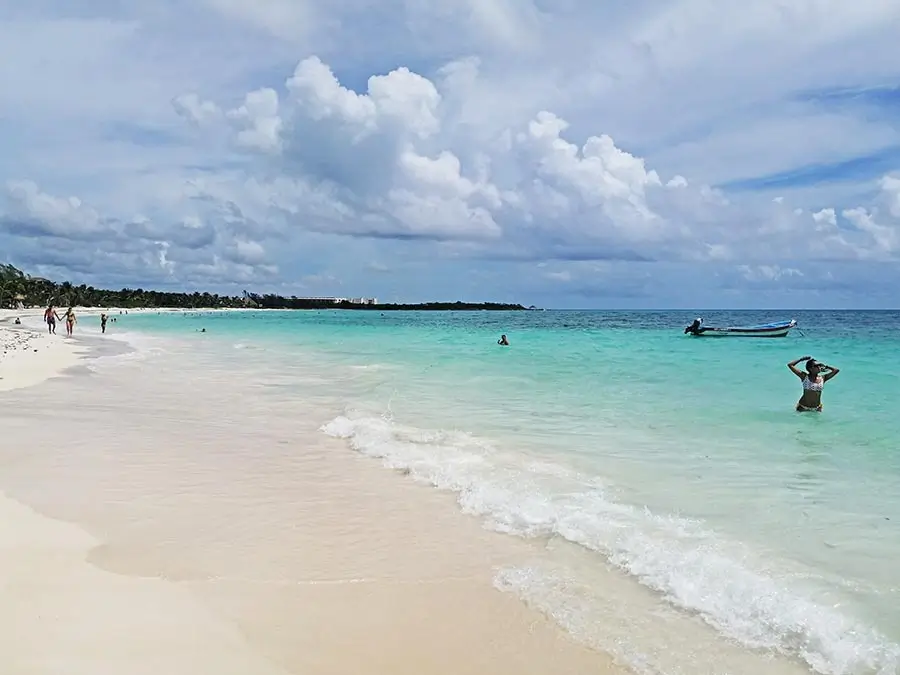
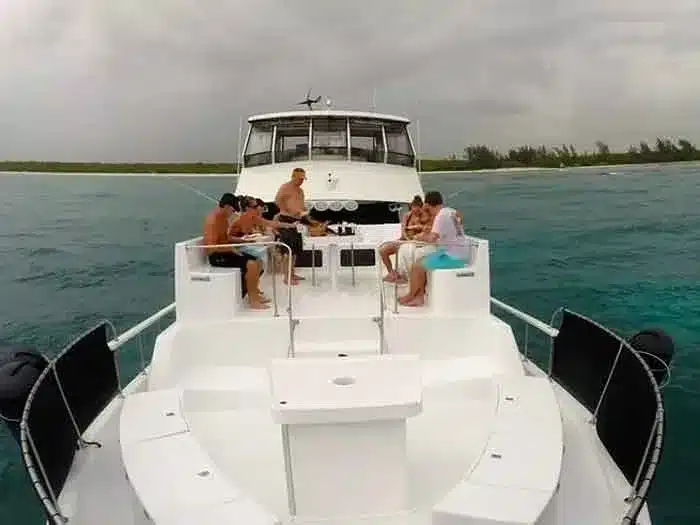
Guests staying in Akumal board H2OH yachts at Puerto Aventuras Marina. Plan pictures around the route you book, rather than assuming the charter visits Akumal Bay or Tulum’s ruins.
Make a five-picture plan
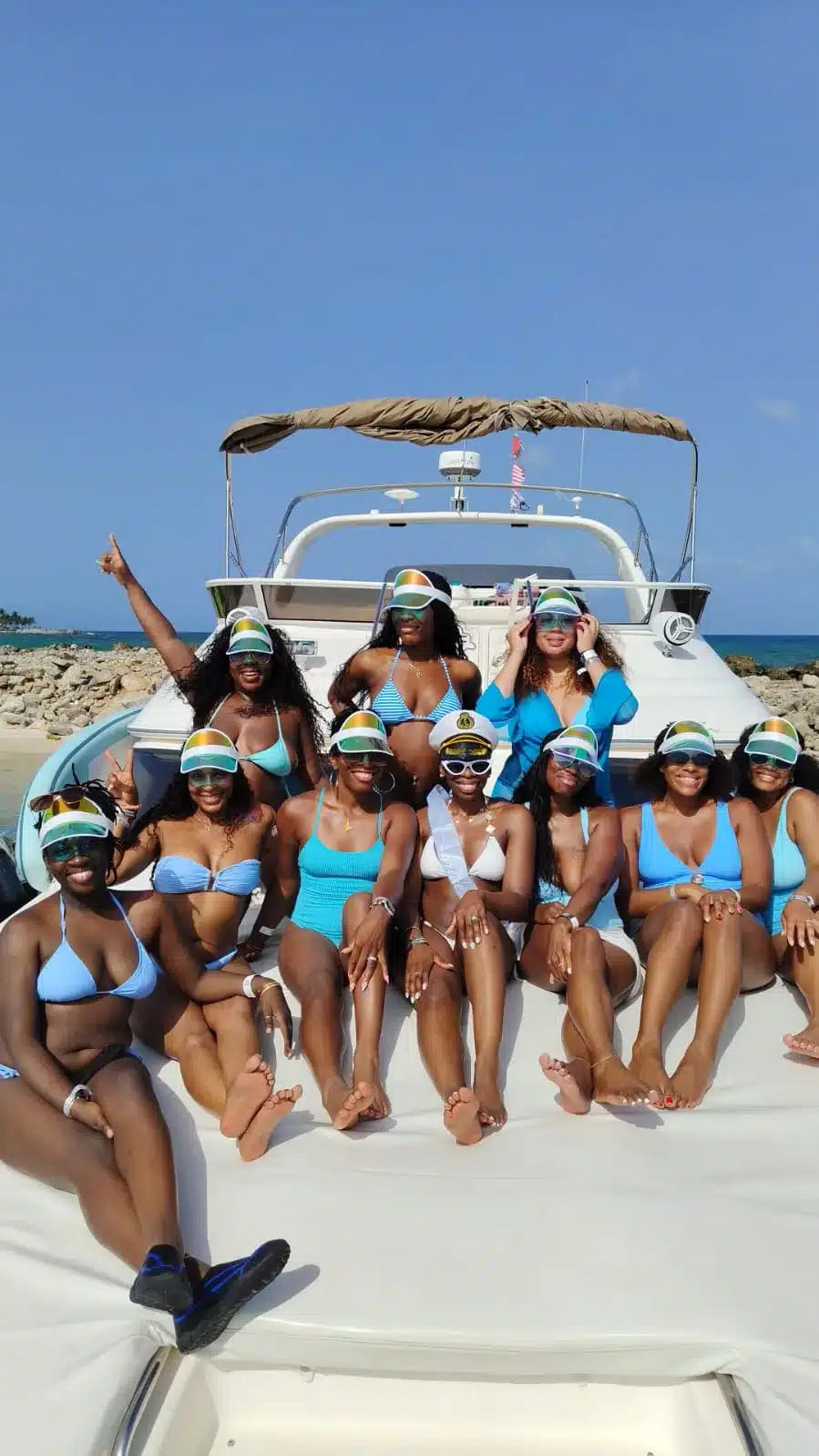
Choose a wide view of the yacht or coastline, one group photograph, two candid moments and one detail that identifies the occasion. The detail could be a cake message, a shared toast or the birthday guest holding the microphone. This gives the album a story without making everyone pose throughout the trip.
Tell the group when you would like the main photograph, and ask the crew where it can be taken without blocking access. Keep the plan flexible around boarding, the briefing, meals and any water activity. Do not crowd one part of the vessel to reproduce a photo.
Use light before buying more equipment
Try photographing faces with the light in front of them rather than a very bright sky behind them. Take a test image and look at faces, not only the sea. Reposition within the guest areas the crew permits, keeping your footing secure.
For a phone, clean the lens and use the camera’s focus and exposure controls if you know them. Take a few frames of a moving group rather than relying on one shot. With a camera, use a setting you have practiced; review sharpness and exposure before repeating the important moment. There is no single shutter speed that guarantees a sharp picture on every moving boat.
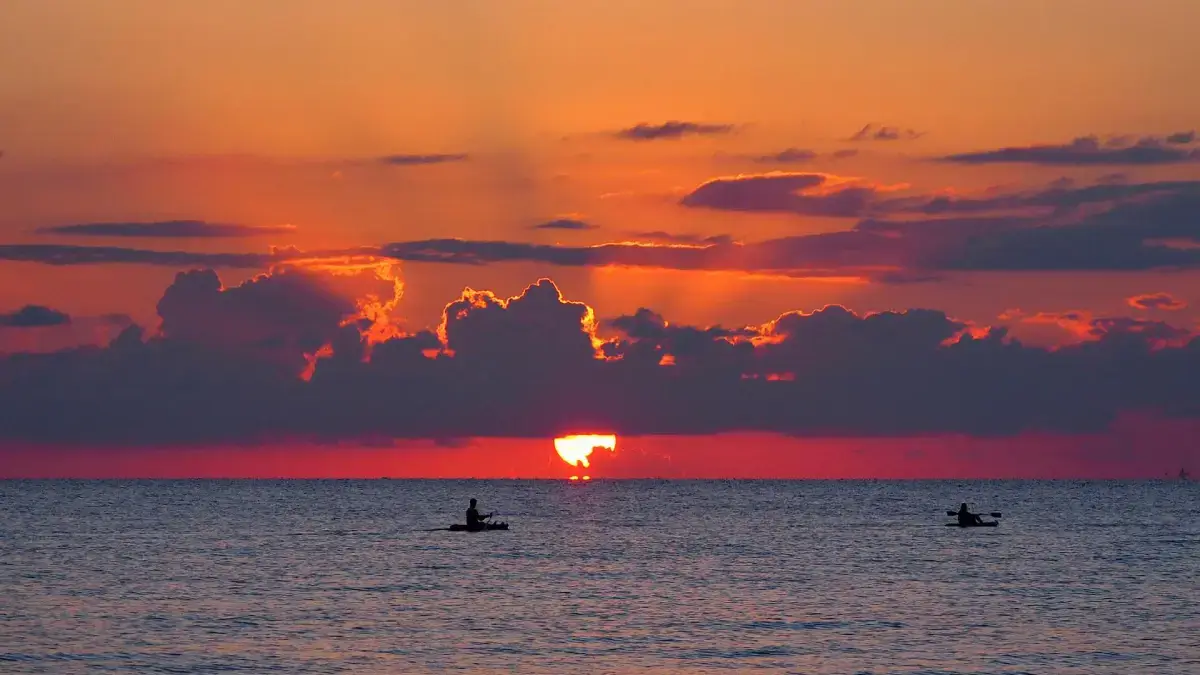
For sunset photographs, compare the evening charter options and confirm your departure against daylight on the actual date. An evening booking is not a guarantee of golden light or an unobstructed sunset.
Protect your gear without assuming it is waterproof
Keep unused equipment in a secure bag away from walking routes. Use a case intended for your particular device and conditions, following its manufacturer’s closure and water-resistance instructions. A pouch or splash cover should not be treated as permission to submerge a camera.
A compact kit is easier to manage than several loose lenses, stands and bags. Ask before bringing lighting equipment or a tripod. Charge devices, check storage space and keep a backup of photographs after the outing. Avoid changing equipment while boarding or moving between levels.
Put the people and the crew’s instructions first
Remain inside permitted guest areas. Do not climb railings, lean outside the yacht or step toward the water while looking through a screen. Stop taking pictures when you need to move, listen or hold a handrail. Ask before photographing other guests closely or posting identifiable images of them.
Water photographs belong only in an activity approved for your charter and conditions. They should never require chasing an animal, touching coral or separating from the instructed group. Guests who prefer to stay aboard can capture the celebration from the deck.
Remember sun protection during a photo session
The FDA’s sun-safety guidance recommends protective clothing and shade alongside broad-spectrum sunscreen, with reapplication at least every two hours and more often when swimming or sweating. Follow the product label; do not wait four or five hours simply because you are occupied with photographs.
Decide whether to add a photographer
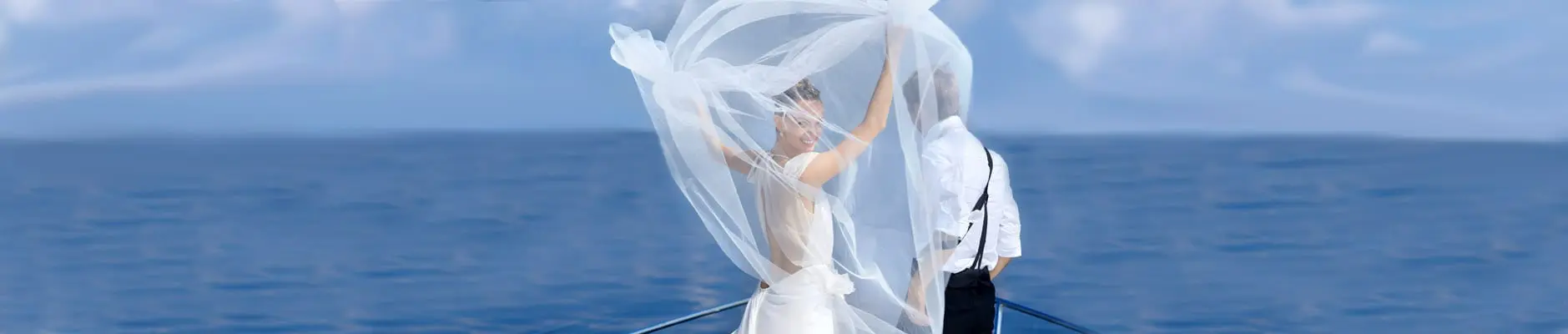
For a proposal or milestone event, review H2OH photography options. Confirm coverage time, deliverables, delivery timing and any outside-photographer fee before hiring someone. Professional photography is a separate arrangement, not automatically included in the yacht fare.
Prepare your charter estimate and tell the team which photographs matter most. Arrange the Akumal pickup and marina arrival first; a clear plan leaves more attention for the people in your pictures.